Planning your northern frontier adventure? The majestic Lung Cu Flag Tower is a must-see landmark symbolizing national pride and offering breathtaking views of the karst plateau. Let Ha Giang Loop (available at hagianglooptourguide.com) show you the most concise, practical guide for your trip!
Overview of Lung Cu Flag Tower
The Lung Cu Flag Tower stands as a majestic sentinel marking the northernmost frontier of Vietnam’s sacred territory. For travelers seeking the ultimate adventure, this iconic landmark represents both a geographical triumph and a deep emotional connection to the land.
Lung Cu Flag Tower is not just a monument, it is the symbolic crown of Vietnam’s northern frontier and a highlight of any Ha Giang Loop itinerary.
Where is Lung Cu Flag Tower Located?
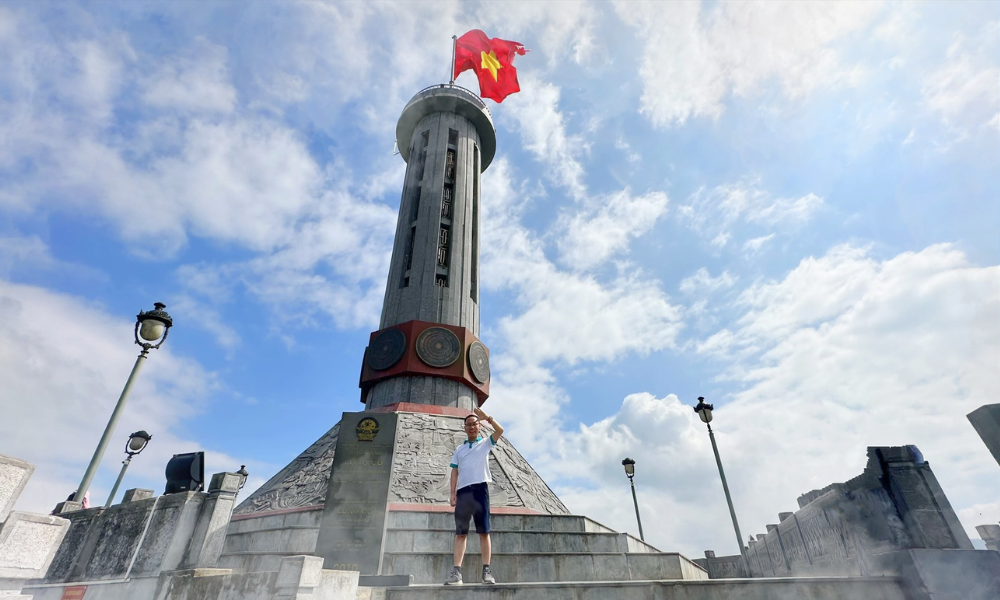
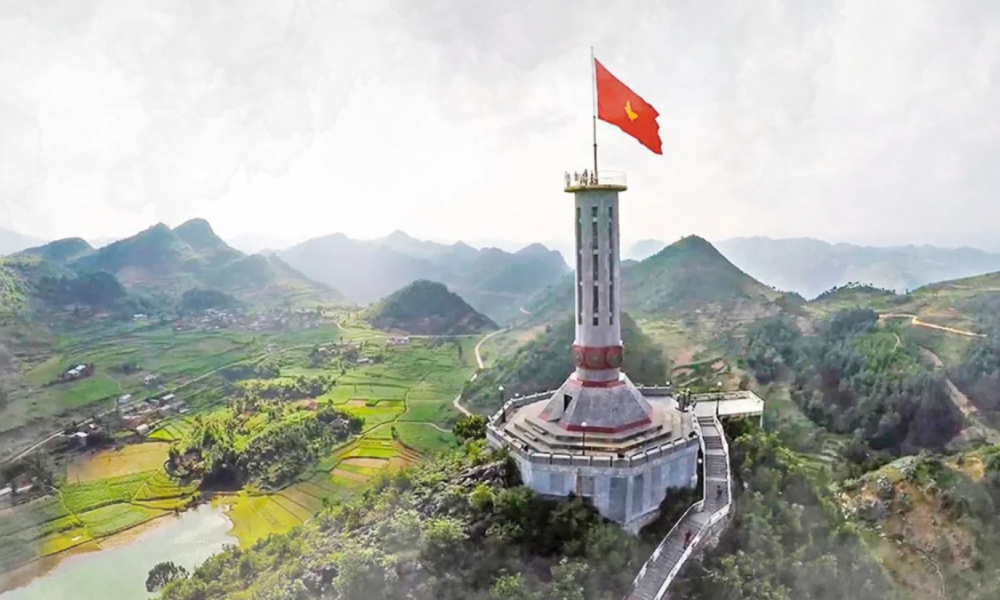
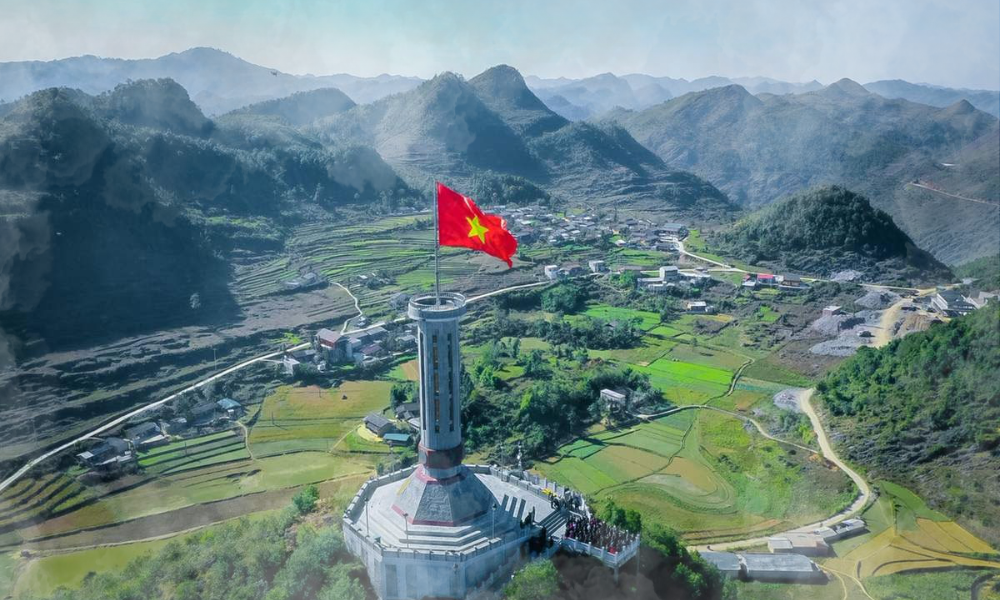
Perched atop Long Son (Dragon Mountain) in Lung Cu Commune, Dong Van District, Ha Giang Province, the Lung Cu Flag Tower resides at an altitude of nearly 1,400 meters above sea level. It sits approximately 160 kilometers north of Ha Giang City and 24 kilometers from the center of Dong Van town, making it a critical highlight of any northern itinerary.
The Sacred Coordinates of the Northernmost Point
While the absolute mathematical northernmost tip of Vietnam lies a few kilometers further north along the winding river border, the Lung Cu Flag Tower has long served as the symbolic and geopolitical crown of the nation’s frontier. Standing atop its observation deck allows travelers to gaze straight out into the border lands, realizing a profound sense of national pride and natural wonder.
The History and Sacred Meaning of Lung Cu Flag Tower
The origins of this historic monument stretch back through centuries of border preservation and heroic national defense. Understanding the historical roots of the Lung Cu Flag Tower deepens the travel experience, transforming it from a simple photography stop into a meaningful pilgrimage.
Historical Origin Across Eras
Legend and historical texts indicate that the first precursor to the tower was constructed during the Ly Dynasty by General Ly Thuong Kiet, who planted a wooden stake to assert territorial sovereignty. Over the centuries, the outpost was maintained and rebuilt multiple times, culminating in the modern, concrete octagonal structure built to withstand the intense elemental winds of the high plateau.
The Symbolism of the 54-Square-Meter Flag
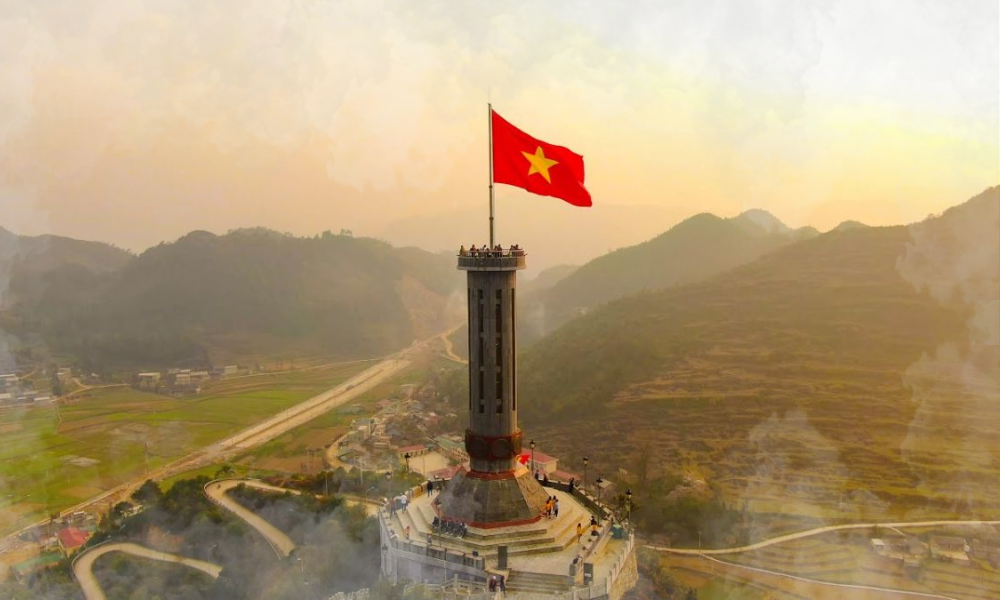
The most striking feature of the Lung Cu Flag Tower is the massive Vietnamese national flag flying proudly from the summit. Covering approximately 54 square meters, the flag pays tribute to the 54 ethnic groups that make up Vietnam’s diverse cultural heritage. It serves as a powerful symbol of national unity, standing firm against time and weather.
The Unique Architecture of the Flag Tower
The structural layout of the Lung Cu Flag Tower blends historical art forms with modern engineering to create an architectural masterpiece on a mountaintop. Every line, relief, and stone step has been carefully designed to narrate a story of heritage and perseverance.
Perched on the Majestic Dragon Mountain (Long Son)
The natural base of the Lung Cu Flag Tower is Dragon Mountain, a legendary peak shaped like a sleeping dragon guarding the realm. According to local folklore, two ancient lakes at the foot of the mountain represent the eyes of the dragon, providing a permanent water source for the ethnic minority communities living nearby.
Intricate Bronze Drum Artistry
The body of the Lung Cu Flag Tower is heavily inspired by the historic Dong Son bronze drums, a timeless emblem of ancient Vietnamese civilization. The octagonal base features beautifully carved reliefs depicting glorious historical periods of Vietnam alongside traditional cultural patterns of the local ethnic minorities.
Conquering the 839 Stone Steps
To reach the absolute apex of the Lung Cu Flag Tower, travelers must undertake an inspiring physical journey across 839 meticulously carved stone steps. The climb is divided into distinct tiers, offering panoramic rest stops where the cool mountain breeze instantly washes away the physical exhaustion of the ascent.
How to Travel to Lung Cu Flag Tower in Ha Giang
Navigating the dramatic topography of the northern highlands requires careful preparation and an understanding of the mountainous highway system. The journey to the Lung Cu Flag Tower itself is an unforgettable adventure, taking you through some of the most dramatic landscapes found anywhere in Southeast Asia.
The Route from Ha Giang City to Lung Cu
Departing from Ha Giang City, travelers follow National Highway 4C, heading toward the majestic northern districts. Along this breathtaking path, adventurers will test their skills against the legendary hairpins of the Tham Ma Pass, before continuing onwards past the challenging gradients of the Chin Khoanh Ramp, eventually pushing past Dong Van toward the peak of Lung Cu Flag Tower.
Choosing Your Mode of Transport: Motorbike vs. Car Tour
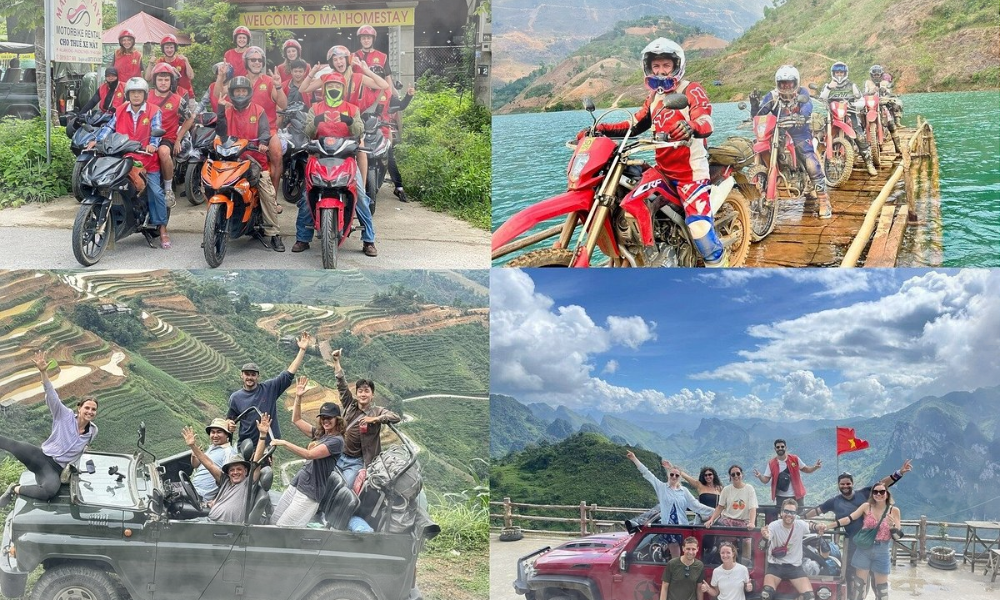
Selecting the right vehicle depends entirely on your desire for adventure, comfort thresholds, and driving experience. Ha Giang Loop offers professional options tailored to maximize your safety and enjoyment on these unpredictable terrains.
| Mode of Transport | Key Advantages | Key Disadvantages | Best Suited For |
| Motorbike (Self-Drive or Easy Rider) | Maximum freedom, immersive connection with nature, easily stops for photographs. | Requires immense physical stamina, weather-dependent, demands elite driving skills. | Young adventurers and thrill-seekers looking for an unfiltered experience. |
| Private Car / Shared Van Tour | Complete protection from weather, highly secure, deeply relaxing, ideal for storytelling. | Less flexible for spontaneous trackside stops, cannot access narrow village pathways. | Families, group travelers, and multi-generational vacations. |
Best Time of the Year to Visit Lung Cu
The high-altitude climate of the Dong Van Karst Plateau ensures that every season brings a completely unique visual identity to the mountain slopes. Timing your trip to the Lung Cu Flag Tower correctly allows you to witness the northern scenery in its absolute prime layout.
January to March: Peach and Plum Blossoms
Springtime bathes the entire rugged landscape in soft pinks and brilliant whites as the native peach and plum trees burst into blossom. The contrast of delicate petals against the harsh, dark limestone crags creates a poetic atmosphere that feels completely detached from modern city life.
September to October: Golden Rice Terraces
As autumn arrives, the deep valleys surrounding the mountain bases transform into a shimmering sea of bright gold. This is the harvest season, when the agricultural ingenuity of the local tribes is fully visible in the form of glowing, tiered rice paddies carving up the mountainsides.
October to December: Buckwheat Flower Season
Late true autumn introduces the most famous floral phenomenon of the region: the blooming of the iconic buckwheat flowers. Shifting gracefully from soft white to deep purple, these hardy blossoms blanket the landscape, providing an ethereal backdrop for your journey to the summit.
Top Must-Do Experiences at Lung Cu and Nearby Attractions
Visiting the Lung Cu Flag Tower is only the beginning of a multi-faceted cultural and geographic exploration across the northern frontier. By expanding your itinerary, you unlock the deep, authentic essence of Ha Giang that most standard tourists completely overlook.
Stand Proud Under the Grand Flag
Standing on the highest observation deck of the Lung Cu Flag Tower with the national flag flapping loudly in the mountain winds is an incomparable experience. Gaze outward across the international border and look down upon the sweeping landscapes of the far north, capturing photographs that will last a lifetime.
Immerse in Culture at Lo Lo Chai Village
Nestled directly at the foot of Dragon Mountain is the fairy-tale destination of Lo Lo Chai Village, home to the vibrant Lo Lo ethnic minority. Known for their earthen homesteads, colorful traditional attire, and welcoming cafes, this village provides an ideal cultural base to rest and absorb authentic local customs after your steep climb to the Lung Cu Flag Tower.
Exploring the Broader Ha Giang Loop Attractions
To truly appreciate the region, your journey to the flag tower must be seamlessly integrated with the broader wonders of the province. A complete circuit curated by Ha Giang Loop takes you through the historic pathways of the Dong Van Old Quarter, navigates the jaw-dropping precipices of the Ma Pi Leng Pass, and treats you to a peaceful boat ride along the emerald waters of the Nho Que River.
Furthermore, your route can explore the timeless architectural marvel of Pao’s House, delve into the rugged trading hub of Meo Vac, and conclude with the pristine, waterfall-laden paradise of Du Gia village.
Latest Ticket Prices and Entrance Fees
Budgeting accurately for your expedition prevents unexpected delays and ensures a frictionless transition at the park checkpoints. Entrance fees collected at the gates directly fund the ongoing preservation, maintenance, and cleanliness of the Lung Cu Flag Tower.
- Adult Entrance Ticket: 40,000 VND per person (Access to the mountain pathways and flag tower summit).
- Electric Shuttle Buggy (Optional): 30,000 VND per person (Saves you from walking up the initial paved incline from the main parking area to the lower stairs).
- Vehicle Parking Fees: 5,000 VND – 20,000 VND depending on whether you ride a motorbike or pilot an SUV.
Crucial Tips for Checking In at the Border Region
Traveling along the immediate frontier requires high levels of cultural respect, legal awareness, and physical preparation. Following these expert rules compiled by our local guides ensures your safety while honoring the communities that host you.
- Carry Identification Documents: Because you are traveling within an active border security zone, always keep your passport, visa, and international driving permits safely secured on your person.
- Footwear Choices: Completely avoid heels or soft slip-on shoes; high-grip athletic sneakers or broken-in hiking shoes are mandatory for conquering the 839 stone steps safely.
- Respect Local Beliefs: Do not touch sacred shamanistic structures, ask permission before taking close-up portraits of tribal children, and never litter across the pristine mountain peaks.
Frequently Asked Questions (FAQs)
International travelers frequently have specific inquiries regarding logistics, physical accessibility, and hidden secrets of the tower. Here are the clear, authoritative answers provided directly by our veteran tour leads at Ha Giang Loop.
How long does it take to travel from Ha Giang City to Lung Cu?
The drive generally takes around 5 to 6 hours of active movement. However, because the road is packed with world-class lookouts, most travelers spend an entire day enjoying the stops.
Can elderly travelers or young children reach the top?
Yes! Thanks to the modern electric shuttle carts, the initial steep mountain road can be bypassed entirely, leaving only the standard stone stairs which can be taken slowly with frequent breaks.
How often is the massive 54m² flag replaced?
Due to the extreme, relentless alpine winds at the summit of Dragon Mountain, the flags experience rapid wear and tear, requiring border guards to replace them every week or two to maintain a pristine appearance.
The Lung Cu Flag Tower remains an indispensable cornerstone of the northern frontier, offering an unparalleled mix of history, culture, and geological drama. Let the seasoned experts at Ha Giang Loop navigate the roads for you, transforming a challenging mountain trek into a safe, deeply enriching journey of a lifetime. Book your custom itinerary today at hagianglooptourguide.com! Contact Ha Giang Loop:
- Customer Service: +84-799-061-111
- Email: support@hagianglooptourguide.com
- Address: No 76D 19-5 Street, Ha Giang 1 Ward, Tuyen Quang, Vietnam 200000
