
Tu San Canyon, nestled in Ha Giang’s dramatic limestone mountains, is renowned as one of Southeast Asia’s deepest canyons. Surrounded by towering cliffs and the emerald waters of the Nho Que River, it offers an unforgettable experience for adventure seekers and nature lovers. This guide covers everything you need to know, from how to get there and the best time to visit to ticket prices, accommodation, and practical travel tips.
Where is Tu San Canyon?
Tu San Canyon, also known as Hem Tu San, is located in Giang Chu Phin Commune, Meo Vac District, Ha Giang Province, at the foot of Ma Pi Leng Pass. About 162 km from Ha Giang City, the canyon stretches for approximately 1.7 km, with towering limestone cliffs reaching 700–800 meters and a total depth of nearly 1,000 meters. Formed over millions of years by tectonic activity and erosion, Tu San Canyon is a remarkable natural feature of the Dong Van Karst Plateau.
Best Time to Visit Tu San Canyon
Selecting the perfect time for your visit can significantly enhance your experience at Tu San Canyon. Seasonal changes bring entirely different landscapes to the surrounding mountains and riverbanks, each offering its own unique charm.
February to March – Kapok Flower Season
Spring brings pleasant, cool breezes and brilliant red kapok blossoms blooming vibrantly along the riverbanks. The water flows exceptionally clear and calm, showcasing a brilliant turquoise hue that is perfect for photography. This is arguably the most picturesque time of year to visit the canyon.
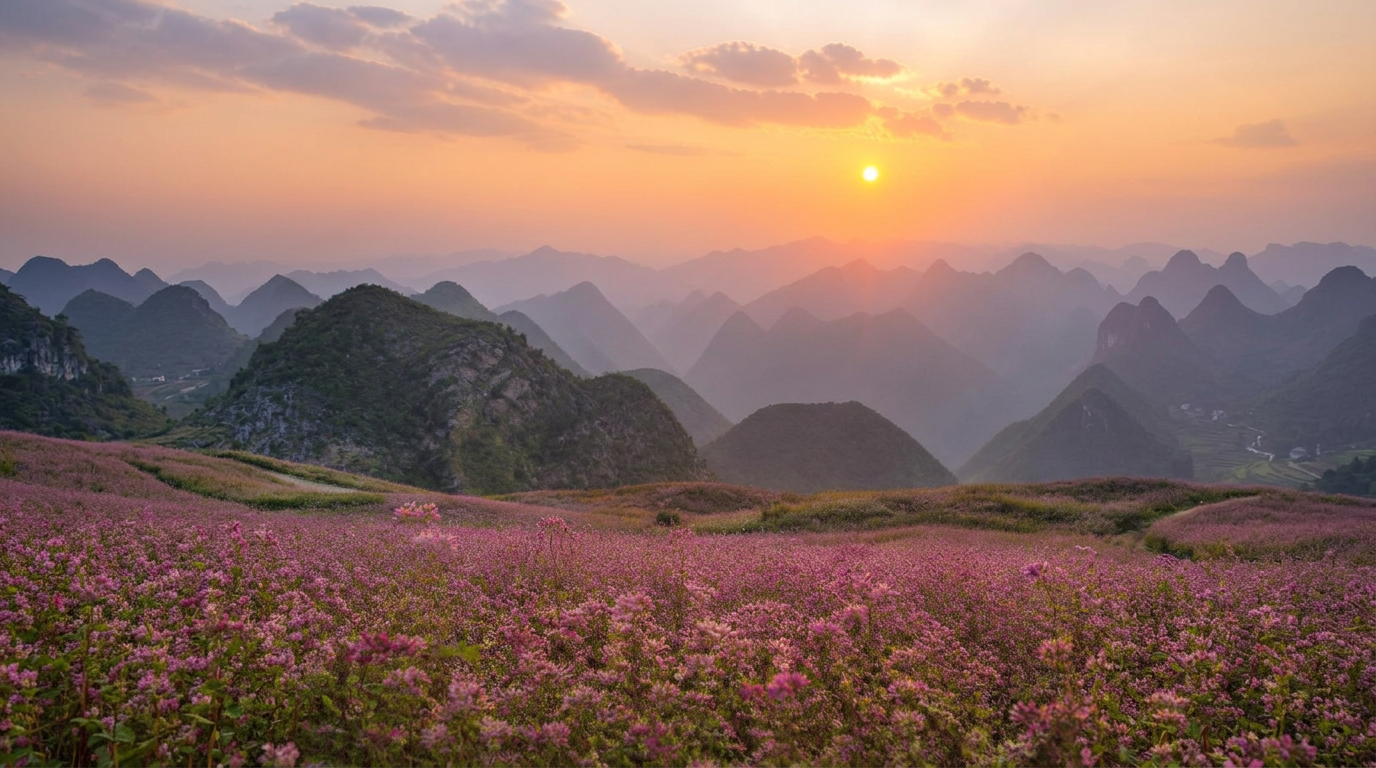
October to November – Buckwheat Flower Season
Autumn transforms the surrounding Dong Van Karst Plateau into a breathtaking sea of pink and purple buckwheat flowers. The cooler temperatures make motorcycle riding especially comfortable and enjoyable for travelers. The combination of colorful flowers and dramatic canyon views is truly unforgettable.
Dry Season – October to April
According to local experts, this is the best window to experience the iconic emerald-green color of the Nho Que River. The skies are clearer, visibility is at its peak, and boat rides are smoother. This period is generally recommended as the most favorable time for a visit.
What to Avoid?
Travelers should avoid visiting during the heavy rainy season from June to August when torrential rains can make roads dangerous and water murky. Additionally, the thick winter fog from December to January can significantly reduce visibility and obscure the stunning views. Pro Tip: Early mornings and late afternoons offer the most stunning lighting conditions for photography, with golden hour casting a warm glow over the limestone cliffs.
How to Get to Tu San Canyon
Getting to Tu San Canyon involves traveling through Ha Giang’s scenic mountain roads and descending to the Nho Que River boat station. The most common route starts from Hanoi, continues to Ha Giang City, then heads toward Meo Vac or Dong Van.
Stage 1: Hanoi to Ha Giang City
The 300-km journey takes around 5–6 hours. Travelers can choose sleeper buses from 180,000 VND, limousine vans from 250,000 VND, or private cars.
| Transport | Duration | Cost |
| Sleeper Bus | 5–6 hours | From 180,000 VND |
| Limousine Van | 5–6 hours | From 250,000 VND |
| Private Car | 5–6 hours | Contact for quote |
Stage 2: Ha Giang City to Nho Que River
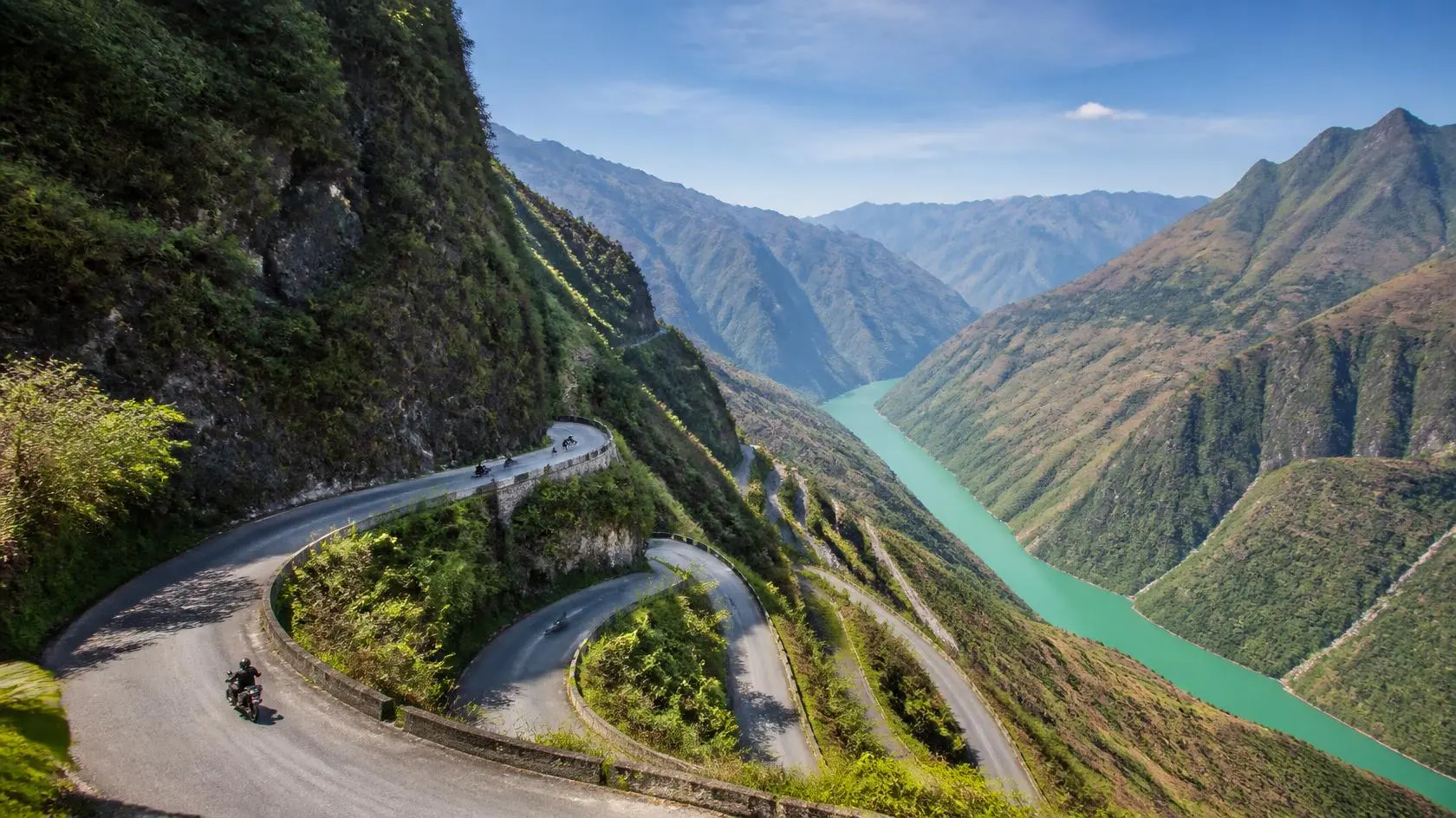
Two main routes lead to the boat station. The Meo Vac route is easier and recommended for most travelers, passing Tham Ma Pass, Meo Vac, Xin Cai, and Pa Vi before reaching Trang Huong Bridge. The Dong Van route descends the steep Ta Lang Slope and is better suited to experienced motorbike riders.
Updated Ticket Prices and Services 2026-2027
Navigating the financial details of your excursion is straightforward since entry to the general gorge area remains completely free of charge. However, accessing the inner waters requires local boat transfers or rental gear, for which standard official rates apply.
| Service | Price (VND) | Duration / Notes |
| Sightseeing Access | Free | View from Ma Pi Leng Pass |
| Motorboat Ride | 120,000 – 150,000/person | Round trip, 1 – 1.5 hours |
| Kayak Rental | 50,000/person/hour | Self-exploration |
| Shuttle to Wharf | 50,000 – 100,000/person | Down Ta Lang Slope |
| Parking Fee | 10,000 – 20,000/motorbike | At the viewpoint |
Motorboat Ride Details
The motorboat ride is the most popular way to experience Tu San Canyon, taking you deep into the heart of the gorge. Tickets range from 120,000 to 170,000 VND depending on the season and specific route, with the most common price being 120,000 VND per adult and 60,000 VND per child. The ride typically lasts 1 to 1.5 hours round trip.
Kayak Rental Information
For those seeking independent exploration, kayaks are available for rent at 50,000 VND per person per hour. This option gives you complete freedom to paddle into hidden corners of the canyon and capture unique photographs. Kayaking is recommended for confident swimmers and those in good physical condition.
Important Payment Notes
Always carry cash when visiting Tu San Canyon as card payments are not widely accepted in this remote area. ATMs are scarce in the surrounding towns, so it is wise to withdraw sufficient cash before departing from Ha Giang City.
Top Experiences at Tu San Canyon
Experiencing this magnificent natural wonder involves more than just admiring it from a distance. Engaging with the landscape from multiple vantage points reveals its true scale and beauty in ways that photographs simply cannot capture.
Motorboat Cruise Through the Gorge
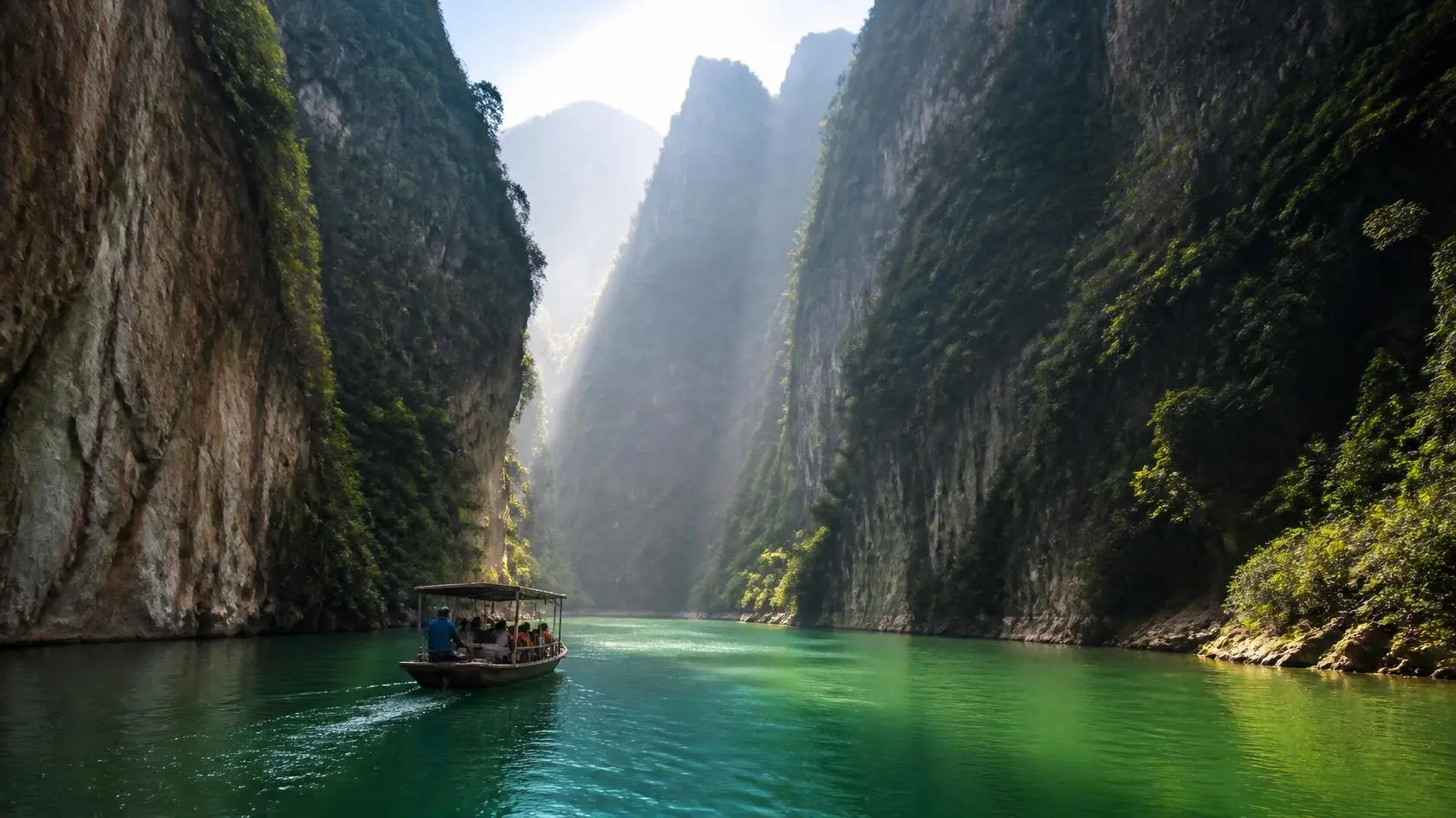
Gliding on the emerald water between towering stone walls allows you to see prehistoric stalactites up close and marvel at nature’s immense scale. The gentle hum of the boat engine contrasts with the profound silence of the canyon, creating a meditative experience. This boat ride takes you deep into the heart of the canyon where the cliffs seem to touch the sky and the river reflects the dramatic limestone formations above.
Kayaking Along the Emerald Waters
Paddling across the calm river gives you total freedom to explore hidden corners and capture stunning photographs against the sheer limestone backdrop. At just 50,000 VND per hour, this is an affordable and unforgettable way to connect with nature. The tranquility of kayaking allows you to appreciate the canyon’s scale at your own pace, far from the noise of motorized boats.
Conquering Ma Pi Leng Pass
Driving along the legendary cliffside highway of Ma Pi Leng Pass offers breathtaking panoramic vistas of the canyon winding far below. This 20-kilometer stretch is often called the “King of Vietnam’s Passes” and is a bucket-list experience for motorcycle enthusiasts. The combination of adrenaline and awe-inspiring scenery makes this a highlight of any Ha Giang Loop tour.
Photography at the Skywalk Viewpoint
The viewpoint at the top of Ma Pi Leng Pass is a photographer’s dream, offering unparalleled views of the canyon. Capture the dramatic contrast between the towering limestone cliffs and the emerald river far below, with the ever-changing light creating new compositions throughout the day. Sunrise and sunset are particularly magical times to be at this spot.
Explore Local Ethnic Villages
Take time to visit nearby villages like Lo Lo Chai and Pa Vi to experience the rich culture of the H’Mong, Tay, and Lo Lo ethnic minorities. These villages offer authentic glimpses into traditional mountain life, with opportunities to see traditional crafts, architecture, and hospitality. Interacting with local communities adds a meaningful cultural dimension to your canyon adventure.
Where to Stay Near Tu San Canyon?
Since there are no overnight facilities directly inside the canyon, travelers base themselves in nearby highland towns and cultural villages. Each accommodation option offers a different experience, from modern hotels to authentic homestays.
Meo Vac Town – Closest and Most Convenient
Meo Vac Town is the nearest urban center to Tu San Canyon and offers the widest range of accommodation options. Hotels in this area provide modern amenities and easy access to the canyon, making them ideal for travelers seeking comfort and convenience.
| Hotels | Homestays |
| Hoa Cuong Hotel | Lo Lo Homestay |
| Tien Cuong Hotel | ViVi Homestay |
| Tu San Meo Vac Hotel | Little Yen’s Homestay |
| Ong Vang Meo Vac | Linh Linh Homestay (Pa Vi Village) |
Special Recommendation: O’Chau Meo Vac Homestay is located approximately 2-4 kilometers from the Tu San Canyon viewpoint and offers excellent hospitality with stunning mountain views. This property combines traditional architecture with modern comforts, making it a popular choice among discerning travelers.
Surrounding Villages and Historic Towns
Beyond Meo Vac, there are several unique accommodation options in surrounding villages that offer deeper cultural immersion. Lo Lo Chai Village provides opportunities to stay in traditional earth-wall houses near Lung Cu Flag Tower, experiencing authentic local life. Dong Van Old Quarter offers a different vibe with its night markets, historic architecture, and vibrant local cafes perfect for evening exploration.
Booking Tips
During peak travel seasons, particularly in October-November and around major Vietnamese holidays, accommodation books up quickly. It is strongly recommended to book your stay at least 1-2 weeks in advance to secure your preferred option. Homestays often offer the most authentic experiences but have limited availability.
Must-Taste Regional Culinary Specialties
After a day of riding and exploring steep slopes, sampling high-country dishes is the best way to refuel and immerse yourself in local culture. The region’s unique culinary culture combines hearty ingredients with aromatic highland spices to create unforgettable flavors.
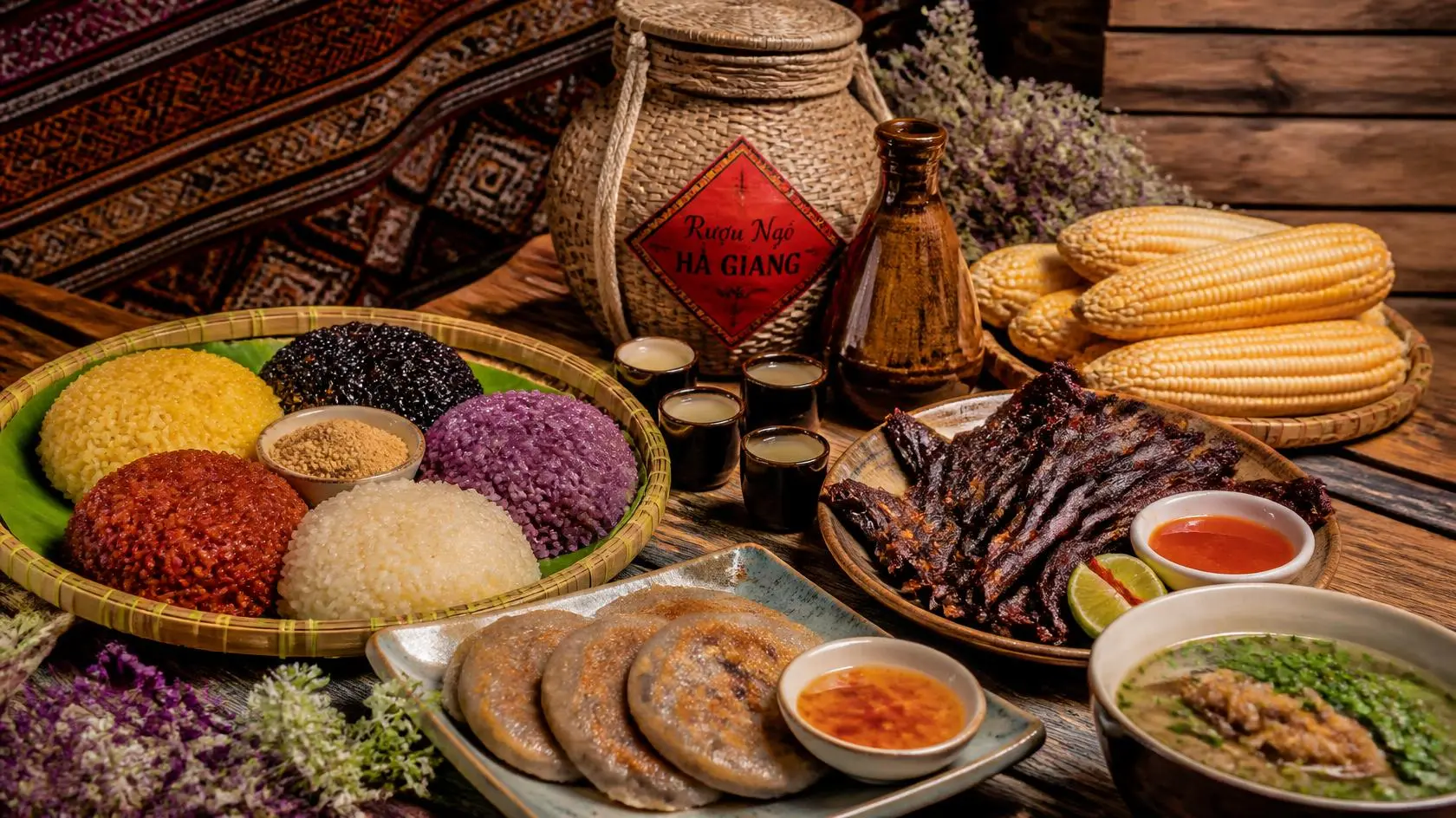
Au Tau Porridge (Cháo Ấu Tẩu)
A warm, savory night porridge made from au tau roots, pork trotters, and aromatic herbs, known for its medicinal benefits. This hearty dish is believed to warm the body and provide energy for the cold mountain evenings, making it a favorite among local residents and travelers alike.
Buckwheat Cake (Bánh Tam Giác Mạch)
Soft, slightly sweet steamed cakes made from harvested buckwheat seeds, the iconic flower of the Karst Plateau. These cakes have a unique texture and subtle nutty flavor that you simply cannot find elsewhere in Vietnam. They are often sold by local women at markets and roadside stalls.
Five-Color Sticky Rice (Xôi Ngũ Sắc)
A traditional dish dyed with natural plant leaves, representing regional harmony and cultural diversity. Each color – red, yellow, green, purple, and white – carries its own symbolic meaning in local culture, making this dish as visually stunning as it is delicious.
Dried Buffalo Meat and Smoked Sausage
Savory cured meats smoked over wood fires, perfect as snacks during long road trips or as souvenirs to bring home. These meats are prepared using traditional methods passed down through generations, offering a taste of authentic mountain cuisine.
Corn Wine (Rượu Ngô)
A traditional rice wine made from fermented corn, often served during local celebrations and as a gesture of hospitality. If you are adventurous and enjoy trying local beverages, this potent drink offers a unique taste of highland culture.
All-Inclusive Tours with Ha Giang Loop Tour Guide
To make the most of your adventure, Ha Giang Loop Tour Guide offers curated itineraries designed by local experts who know every hidden corner of this magnificent region. Our tours combine safety, comfort, and authentic experiences for an unforgettable journey.
Available Tour Packages
| Package | Duration | Highlights |
| 2 Days 1 Night Tour | 2D1N | Ma Pi Leng Pass, Tu San Canyon boat ride, Meo Vac |
| 3 Days 2 Nights Tour | 3D2N | Dong Van, Ma Pi Leng, Tu San Canyon, local villages |
| 4 Days 3 Nights Tour | 4D3N | Full Ha Giang Loop including Pao’s House, Du Gia, and Tu San Canyon |
Why Choose the Ha Giang Loop Tour Guide?
Our team consists of experienced local guides who speak English and know the region intimately, ensuring you don’t miss any hidden gems. We provide well-maintained motorbikes and safety equipment, comfortable accommodation, and authentic meals throughout your journey. Our flexible itineraries are tailored to your preferences, with 24/7 support available throughout your adventure.
Visit our website https://hagianglooptourguide.com/ to learn more about our packages and book your adventure with confidence. We offer competitive prices and personalized service to ensure your Ha Giang Loop experience exceeds all expectations.
Frequently Asked Questions
Travelers often have similar questions when planning their visit to Tu San Canyon. Here are answers to the most common queries to help you prepare for your journey with confidence.
Is Tu San Canyon the deepest canyon in Southeast Asia?
Yes, Tu San Canyon is widely recognized as the deepest canyon in Southeast Asia, with a total depth of nearly 1,000 meters and vertical cliffs rising 700 to 800 meters above the Nho Que River.
How long does the boat ride take?
The motorboat ride typically takes 1 to 1.5 hours round trip, including time to explore the canyon and take photographs. The exact duration may vary depending on weather conditions and the specific route chosen.
Can I visit Tu San Canyon on my own?
Yes, you can visit independently. However, hiring a local guide through the Ha Giang Loop Tour Guide ensures a safer and more enriching experience with insider knowledge of the best viewpoints and photo opportunities.
Is the boat ride safe?
Yes, the boat operators are experienced professionals who provide life jackets for all passengers. The waters are generally calm, especially during the dry season from October to April, making boat rides safe and enjoyable.
What should I pack for Tu San Canyon?
Pack comfortable clothing, sturdy closed-toe shoes, sunscreen, insect repellent, a hat, rain gear, plenty of cash, and your camera with a wide-angle lens. Motion sickness medication is also recommended for those prone to seasickness.
Do I need to book accommodation in advance?
Yes, during peak travel seasons from October to November and around major Vietnamese holidays, accommodation books up quickly. It is strongly recommended to book at least 1-2 weeks in advance.
Conclusion
Tu San Canyon is one of Northern Vietnam’s most spectacular natural wonders, featuring towering cliffs, emerald waters, dramatic mountain passes, and rich ethnic culture. Whether exploring independently or with local guides, the canyon offers an unforgettable journey through Ha Giang’s stunning landscapes. At Ha Giang Loop Tour Guide, our experienced local guides help you travel safely while discovering hidden gems along the route. Contact us today to plan your motorcycle or car adventure through Ha Giang.
