
Planning a motorbike adventure in Northern Vietnam starts with understanding the Ha Giang Loop weather. This highland region is famous for dramatic landscapes and unpredictable climate changes, from clear skies to mountain fog within hours. Ha Giang Loop helps you explore the 2026 weather patterns and choose the best time for a safe and unforgettable journey.
Why Timing is Everything on the Northern Frontiers?
Planning your northern Vietnamese adventure requires deep insights into local climate shifts. The unpredictable Ha Giang Loop weather dictates not only the clarity of your mountain views but also your overall safety on the road.
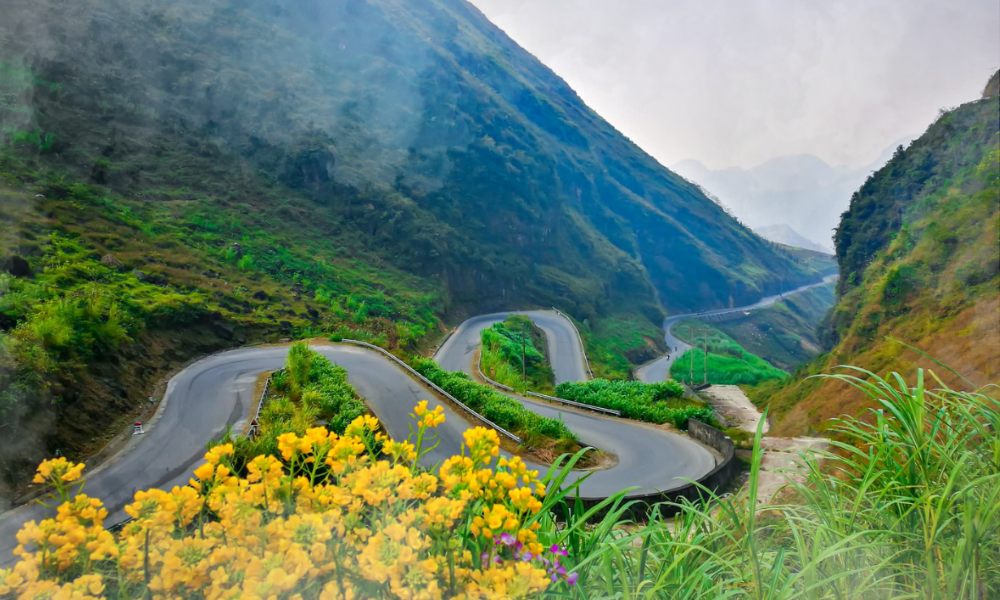
- Road Conditions: Dry seasons provide excellent tire grip on tight corners, whereas the rainy season turns mountain dirt paths into precarious mud slides.
- Geographic Variances: Altitudes change rapidly as you traverse steep canyons between Yen Minh, Dong Van, and the bustling market town of Meo Vac, meaning temperatures drop significantly as you climb higher.
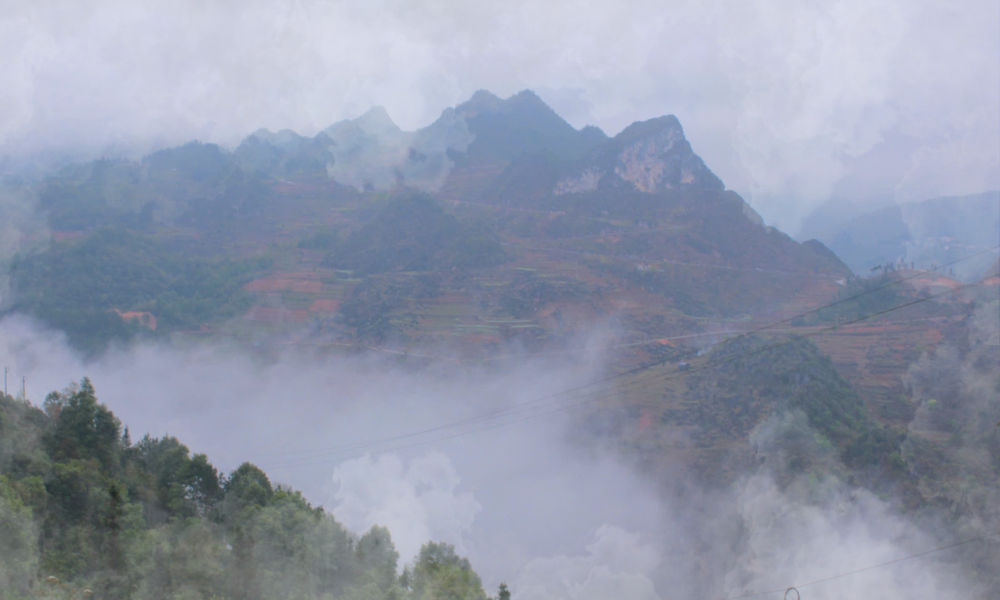
- Safety Thresholds: Heavy mist can reduce visibility to less than two meters on high passes, making professional navigation support essential for survival.
A Complete Breakdown of Ha Giang Loop Weather by Season
Every season in northern Vietnam paints the rocky highlands in completely different shades and riding conditions. Choosing the right month based on the Ha Giang Loop weather will transform your journey from a stressful challenge into a lifetime memory.
Spring (March to May): The Season of Balance
The stable Ha Giang Loop weather during these months makes it highly recommended for beginners. Temperatures hover around a comfortable 18–25°C, providing clear blue skies and dry mountain pavement.
Riders can confidently navigate the famous 26-turn zig-zag of the Tham Ma Pass without fearing unexpected torrential downpours. It is also an incredibly social time, as backpackers gather at homestays to share stories before heading out to visit cultural relics like the iconic Pao’s House.
Summer (June to August): Lush Greenery and Dramatic Downpours
While the summer Ha Giang Loop weather brings heavy downpours, it also turns the entire region into a lush green paradise. Temperatures range from 24°C to 32°C, meaning high humidity interspersed with sudden, powerful afternoon thunderstorms.
For experienced riders, conquering the legendary Ma Pi Leng Pass during this season offers rewardingly dramatic views of cloud-shrouded peaks. Looking down, you will see the winding emerald waters of the Nho Que river surrounded by vertical limestone cliffs looking their most vibrant.
Autumn (September to November): The Golden Harvest Rush
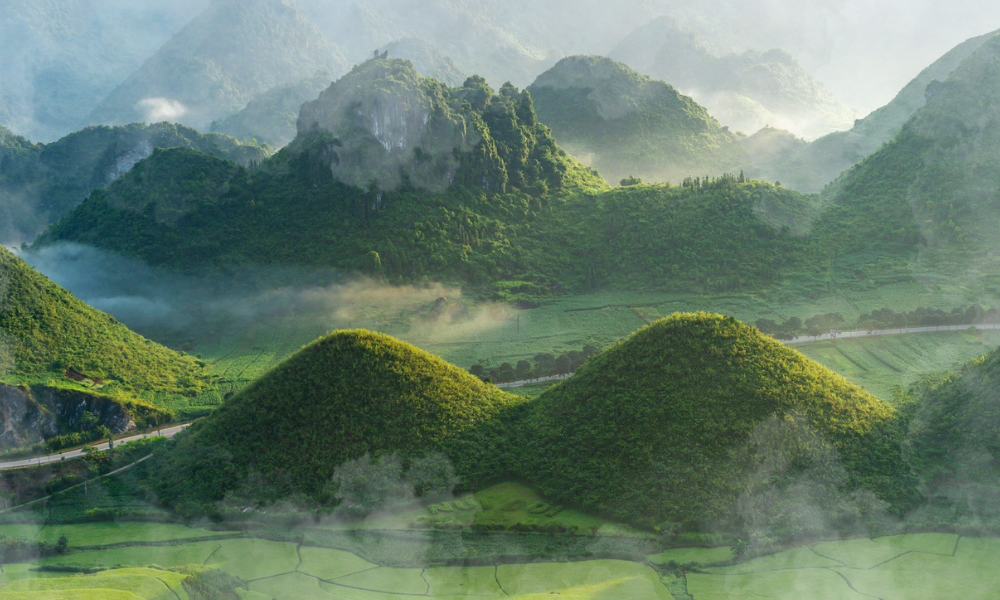
This golden autumn Ha Giang Loop weather offers the perfect balance of dry roads and crisp mountain air. With minimal rainfall and temperatures hovering around 15–23°C, it is widely considered the absolute peak season for international travelers.
After a long day of smooth riding, you can relax in the cool evening air of the Dong Van Old Quarter to enjoy hot local hotpots. It is also the perfect climate to complete the full outer circuit down to the pristine waterfalls of Du Gia.
Winter (December to February): The Silent, Frosty Peaks
The cold winter Ha Giang Loop weather introduces a completely different vibe, perfect for those seeking solitude. Temperatures can plummet to 5–15°C, and heavy morning fog frequently blankets the high-altitude terrains.
If you are brave enough to face the cold, riding up to the northernmost point at the Lung Cu Flag Tower provides a hauntingly beautiful, crowd-free experience. Afterward, warming up by a wood fire in a traditional clay house at Lo Lo Chai Village offers an authentic cultural connection.
Peak Months for Golden Rice Terraces and Floral Landscapes
To experience the true natural poetry of northern Vietnam, you must time your trip with the seasonal blooms. The regional Ha Giang Loop weather directly controls when the valleys burst into vibrant floral colors or golden harvest fields.
- Golden Rice Terraces (Late September – Early October): This is when the terraced fields of Hoang Su Phi and Yen Minh turn a brilliant yellow just before harvest.
- Spring Pastel Blossoms (February – March): Delicate white plum blossoms and pink peach flowers soften the harsh, rocky limestone landscapes.
- Buckwheat Flower Blankets (October – November): Entire hillsides transform into seas of light purple and pink, creating an incredible backdrop for photography.
The Worst Time to Travel and Vital Safety Adjustments
While the far north is beautiful year-round, certain months present extreme environmental hazards for motorbike riders. Navigating the worst Ha Giang Loop weather requires proper preparation, the right gear, and sometimes a change in travel dates.
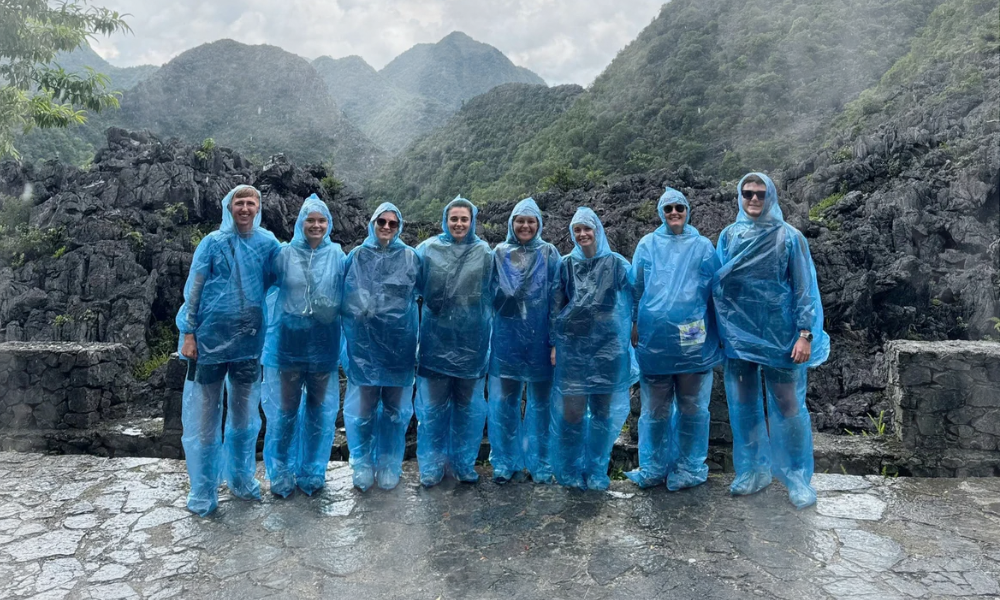
- Avoid July and August: Peak monsoon rains cause unpredictable flash floods, highly dangerous mud accumulation, and occasional mountain landslides.
- The Lunar New Year (Tết) Constraint: Traveling during this national holiday can be difficult as mechanical shops, restaurants, and transport links close down across the province.
- Safety Recommendations: If you must travel during wet or foggy weeks, hiring a professional Easy Rider through a certified agency is the single best decision you can make.
At-a-Glance Ha Giang Loop Weather Matrix
To help you visualize your upcoming journey, we have synthesized the climatic patterns into a clear, actionable matrix. This quick reference guide balances the Ha Giang Loop weather dynamics with the unique cultural vibes of each season.
| Season | Months | Vibe & Landscape | Riding Difficulty | Best For |
| Spring | Mar – May | Fresh blossoms, pastel colors, social vibes | Low to Medium | Beginners, clear panoramas |
| Summer | Jun – Aug | Intense green valleys, roaring waterfalls, sudden rain | High (Slippery roads) | Photographers, adventure seekers |
| Autumn | Sep – Nov | Golden rice fields, buckwheat flowers, crisp air | Low | Ultimate views, comfortable riding |
| Winter | Dec – Feb | Mystic fog, moody landscapes, quiet roads | Medium (Low visibility) | Cultural immersion, crowd avoidance |
Frequently Asked Questions About Riding Conditions
Before hitting the open road, travelers often have lingering questions about safety, durations, and local navigation. Our team at Ha Giang Loop has compiled these expert answers to help you navigate your upcoming mountain expedition smoothly.
Do I need an Easy Rider for the Ha Giang Loop?
If you lack extensive manual clutch experience on mountain slopes, booking an Easy Rider (a local driver where you sit on the back) is highly recommended for maximum safety.
How many days should I allocate for the loop?
Depending on your pace and the current road conditions, most travelers select a comprehensive 4 Days 3 Nights Tour to see everything without rushing. If you are extremely pressed for time, a shortened 2 Days 1 Night Tour covers the highlights but requires long hours on the bike. For a balanced, highly popular middle-ground option, the standard 3 Days 2 Nights Tour is perfect for hitting the major passes and villages.
Ultimately, the best time to brave the adventure depends on what kind of traveler you are. No matter how the Ha Giang Loop Weather shifts, whether you seek the golden fields of autumn or the misty solitude of winter Ha Giang Loop is dedicated to providing premium motorbikes, certified local guides, and custom itineraries tailored to the seasons.
Explore our booking options at https://hagianglooptourguide.com/ and let us turn your dream Vietnamese road trip into a safe, spectacular reality in 2026! Contact Ha Giang Loop:
- Customer Service: +84-799-061-111
- Email: support@hagianglooptourguide.com
- Address: No 76D 19-5 Street, Ha Giang 1 Ward, Tuyen Quang, Vietnam 200000
- Operating Hours: Monday – Sunday (24/7)
- Legal Name: HOANG ANH GROUP CSAT., JSC
- Tax ID: 5100499871
