
Every season brings a different kind of beauty to Ha Giang, making it a destination worth visiting year-round. In this guide, Ha Giang Loop helps you discover the Ha Giang Loop Best Time of Year for stunning scenery, comfortable weather, and an unforgettable adventure.
When is the Ha Giang Loop Best Time of Year?
Many travelers feel overwhelmed by the unpredictable highland climate and simply want a straightforward, honest recommendation. Here is a quick breakdown to help you easily visualize the ideal time to start your engine and hit the road.
- The Absolute Best: September to November (Autumn). The weather during this period is incredibly dry and cool, featuring magnificent landscapes of golden rice fields and endless hills of blooming buckwheat flowers.
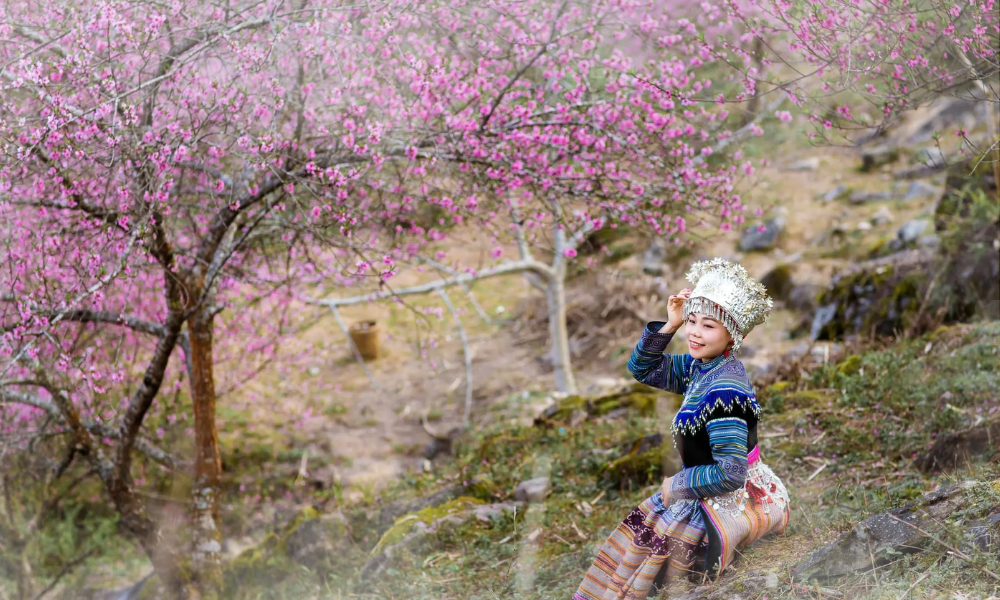
- The Runner-up: February to April (Spring). The weather gradually warms up, melting away the winter frost and making way for vibrant pink peach blossoms and white plum blossoms across the ancient stone villages.
- The Risky Season: June to August (Summer). We must be completely candid that heavy tropical downpours during these months pose a high risk of dangerous landslides and extremely slippery mountain passes.
Ha Giang Loop Weather: A Deep Dive into the 4 Seasons
The climate within the Dong Van Karst Plateau is highly specific and can shift dramatically depending on the altitude of the areas you traverse. To prepare your gear effectively, you need a clear picture of the overall Ha Giang loop weather across its four distinct seasons.
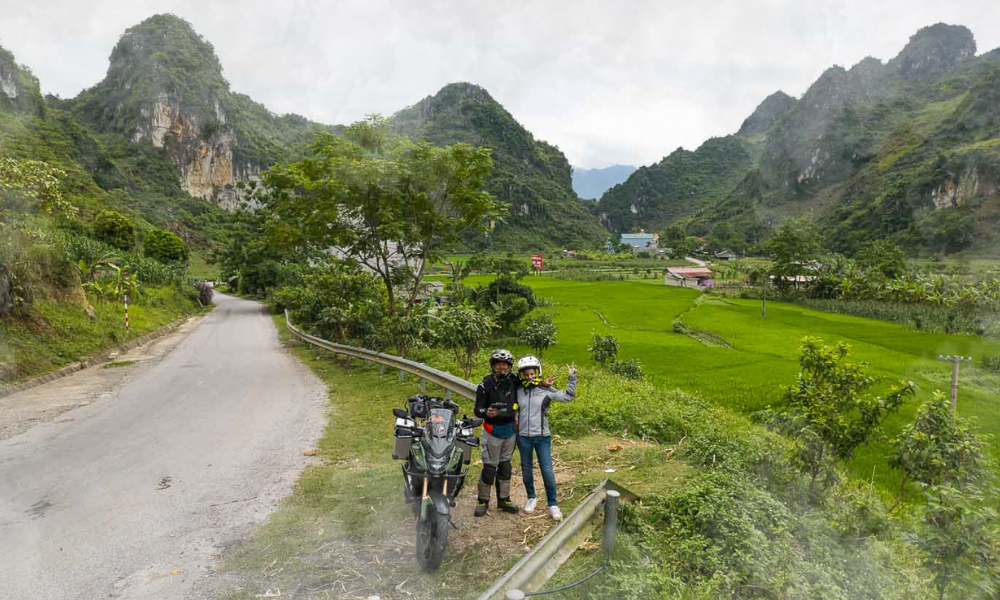
Spring (February to April) – The Season of Blossoms
Spring brings a crisp chill to the air and mystical morning fogs that roll through the valleys. This is the time when the rocky plateau awakens from its long winter hibernation, drawing visitors with the romantic sights of peach and plum blossoms weaving through traditional earthen houses.
Summer (May to August) – The Season of Green & Waterfalls
Summer in Ha Giang is characterized by hot, humid days and frequent, heavy rainfall. We always warn travelers about the significant risk of flash floods and landslides, which can severely hinder self-driving motorbike trips. On the bright side, this is the “falling water” season, showcasing the most powerful waterfalls and incredibly lush, green terraced fields.
Autumn (September to November) – The Golden Season
Undeniably, autumn is the absolute best time to visit that every travel enthusiast craves. The sky is crystal clear, and the air is perfectly crisp. September and October highlight the breathtaking golden rice terraces Ha Giang in Hoang Su Phi, while late October through November marks the peak of the mesmerizing buckwheat flower season Ha Giang.
Winter (December to January) – The Mystical Chill
Winter at the border brings a biting cold, with temperatures occasionally dropping below 5°C and frost sometimes appearing on the highest peaks. Despite the harsh weather, this season is perfect for adventurous souls who love cloud hunting and admiring the vibrant yellow mustard flowers sprouting directly from the gray rocks.
Ha Giang Weather by Month: Quick Reference Guide
To make your detailed itinerary planning as smooth as possible, consulting the Ha Giang weather by month is an essential step. The comprehensive table below will help you pinpoint the exact best month to visit Ha Giang based on your personal sightseeing goals and driving skills.
| Month | Avg. Temp | Visual Highlights | Riding Conditions |
| Jan – Feb | 10°C – 15°C | Peach & plum blossoms, spring festivals | Heavy fog, slightly slippery roads |
| Mar – Apr | 18°C – 24°C | Green foliage, Khau Vai Love Market | Ideal conditions, excellent visibility |
| May – Aug | 25°C – 30°C | Pouring water season, lush green terraces | Difficult, risk of landslides, heavy rain |
| Sep – Oct | 20°C – 25°C | Golden rice terraces, buckwheat flowers | Absolutely perfect, dry roads |
| Nov – Dec | 12°C – 18°C | Yellow mustard flowers, thick fog | Quite freezing, windproof layers required |
How Weather Affects Your Motorbike Tour Safety
Conquering these sky-high winding roads is an experience of a lifetime, but Mother Nature always dictates the rules. The weather conditions directly and severely impact your safety on every single curve, making thorough preparation absolutely mandatory.
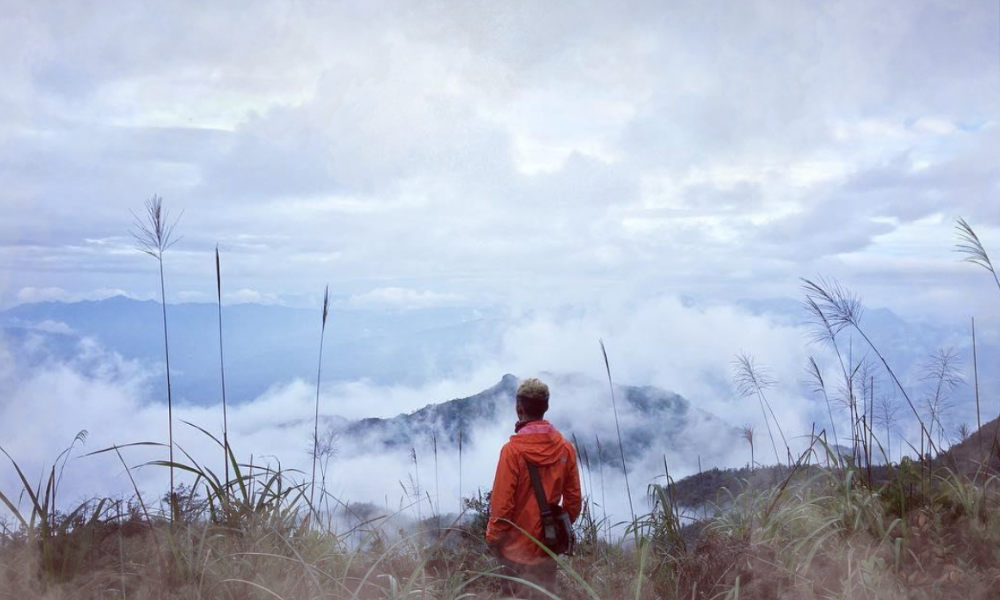
- Visibility: The thick fogs of winter and early spring require riders to travel at very slow speeds, keep headlights on at all times, and maintain a strict, safe distance from the vehicle ahead.
- Road Traction: Summer forest rains turn dirt paths and gravel roads into slippery traps, which are especially dangerous if you are riding an automatic scooter or using worn-out tires.
- Clothing Gear: You must always pack high-quality waterproof gear in the summer to combat sudden downpours, and strictly follow the layering principle to survive the bone-chilling winds of winter.
No matter when you choose to visit, the majestic landscapes of this region always have something special to offer. Ha Giang Loop is here to help you make the most of your trip with expert local knowledge, reliable support, and carefully planned adventures. Connect with us today to start planning your ultimate northern highland getaway in 2026! Contact Ha Giang Loop:
- Customer Service: +84-799-061-111
- Email: support@hagianglooptourguide.com
- Address: No 76D 19-5 Street, Ha Giang 1 Ward, Tuyen Quang, Vietnam 200000
- Operating Hours: Monday – Sunday (24/7)
- Legal Name: HOANG ANH GROUP CSAT., JSC
- Tax ID: 5100499871
